
Why the Blue Baobab is blue
Behind the Name · Our story
The tree Senegal built its imagination around, drawn in the colour of the sea it stands beside.
The Beginning - How it Started
It started with one apartment and a strong opinion
That where you stay should not be the forgettable part of a trip.
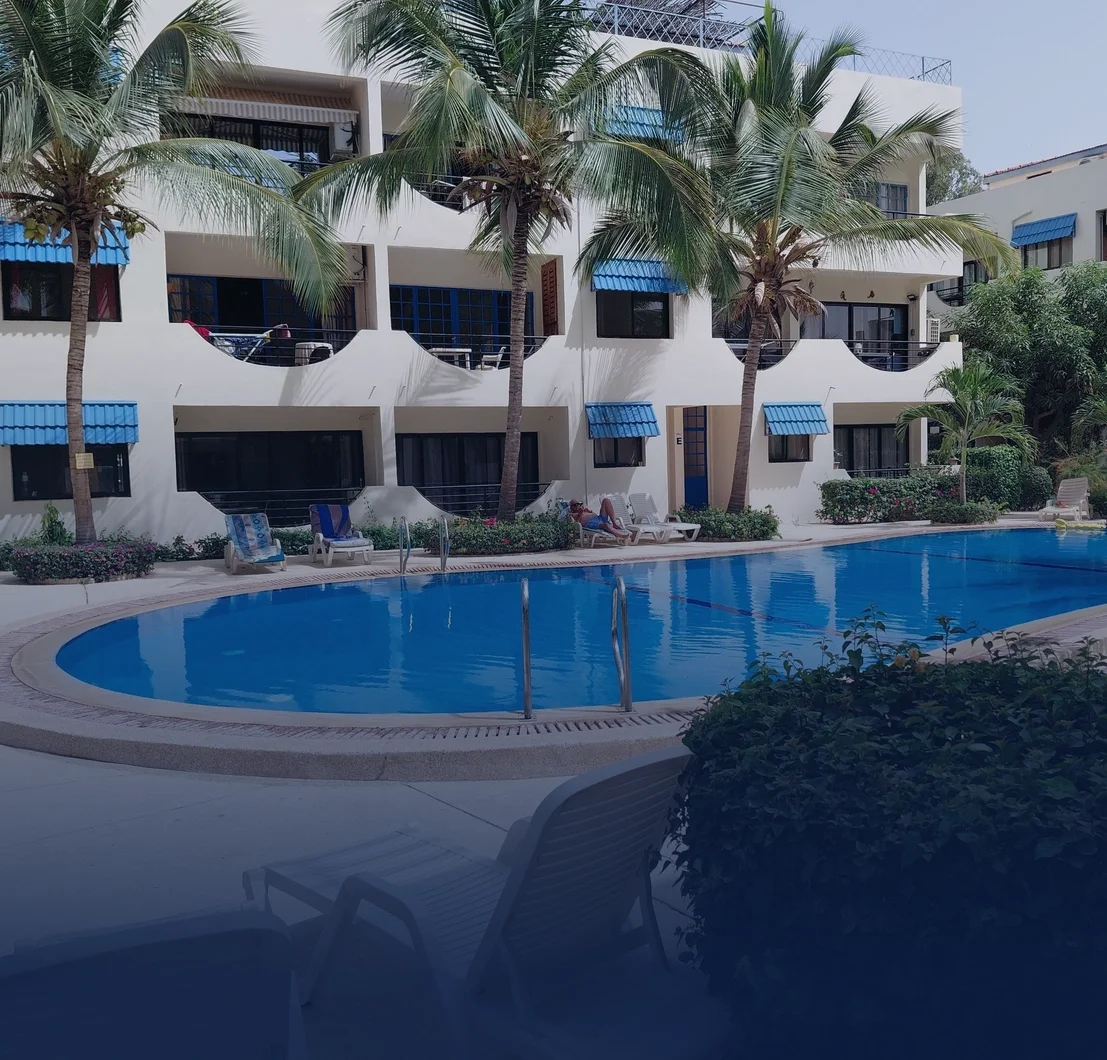
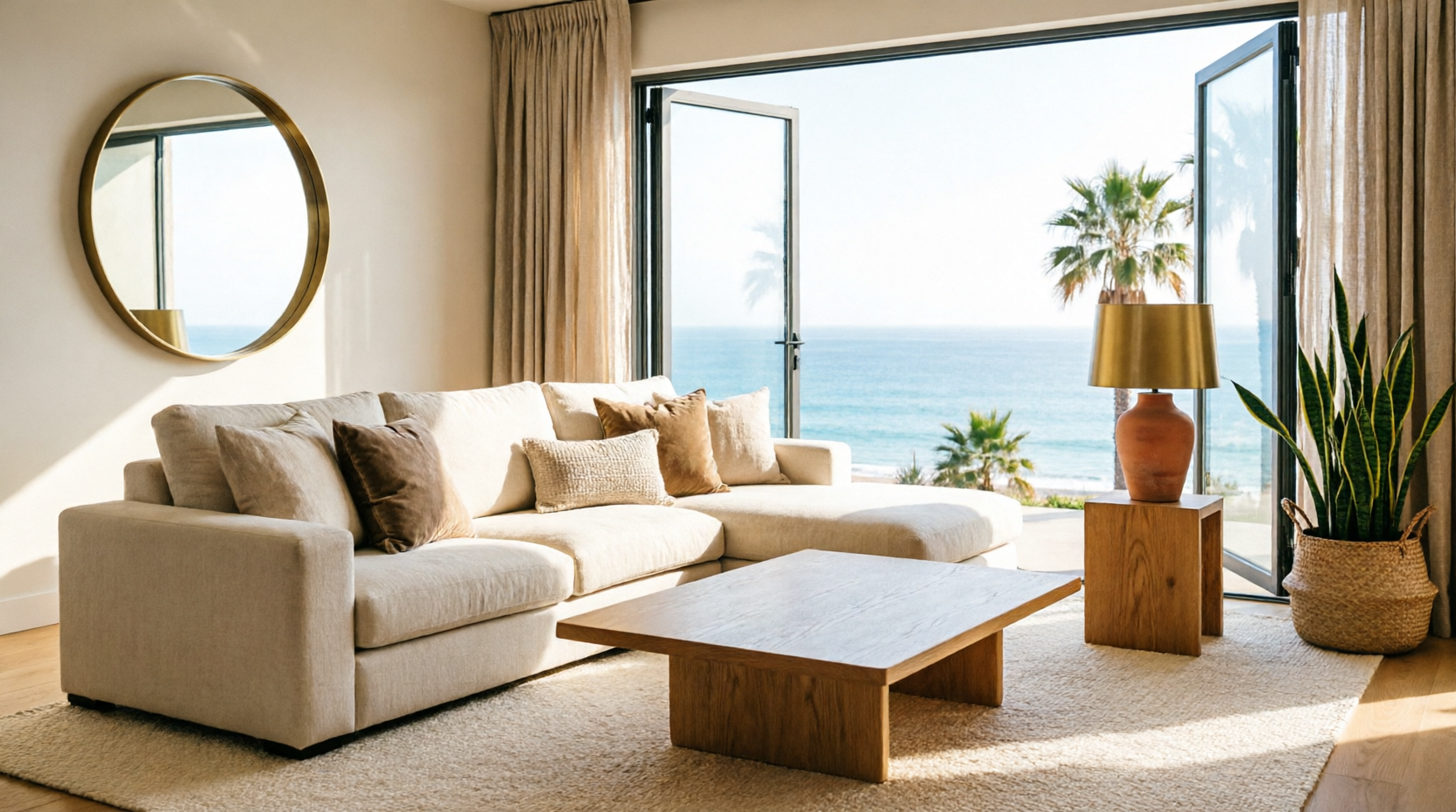
Blue Baobab began in Résidence Natangué, in a one-bedroom apartment that needed rethinking. Not a rental unit to be filled — a room someone would want to come back to. That meant choosing every piece of it: the four-poster made locally, the woven textures, the bar in the corner of the living room, the balcony left uncluttered so the garden and pool do the talking.
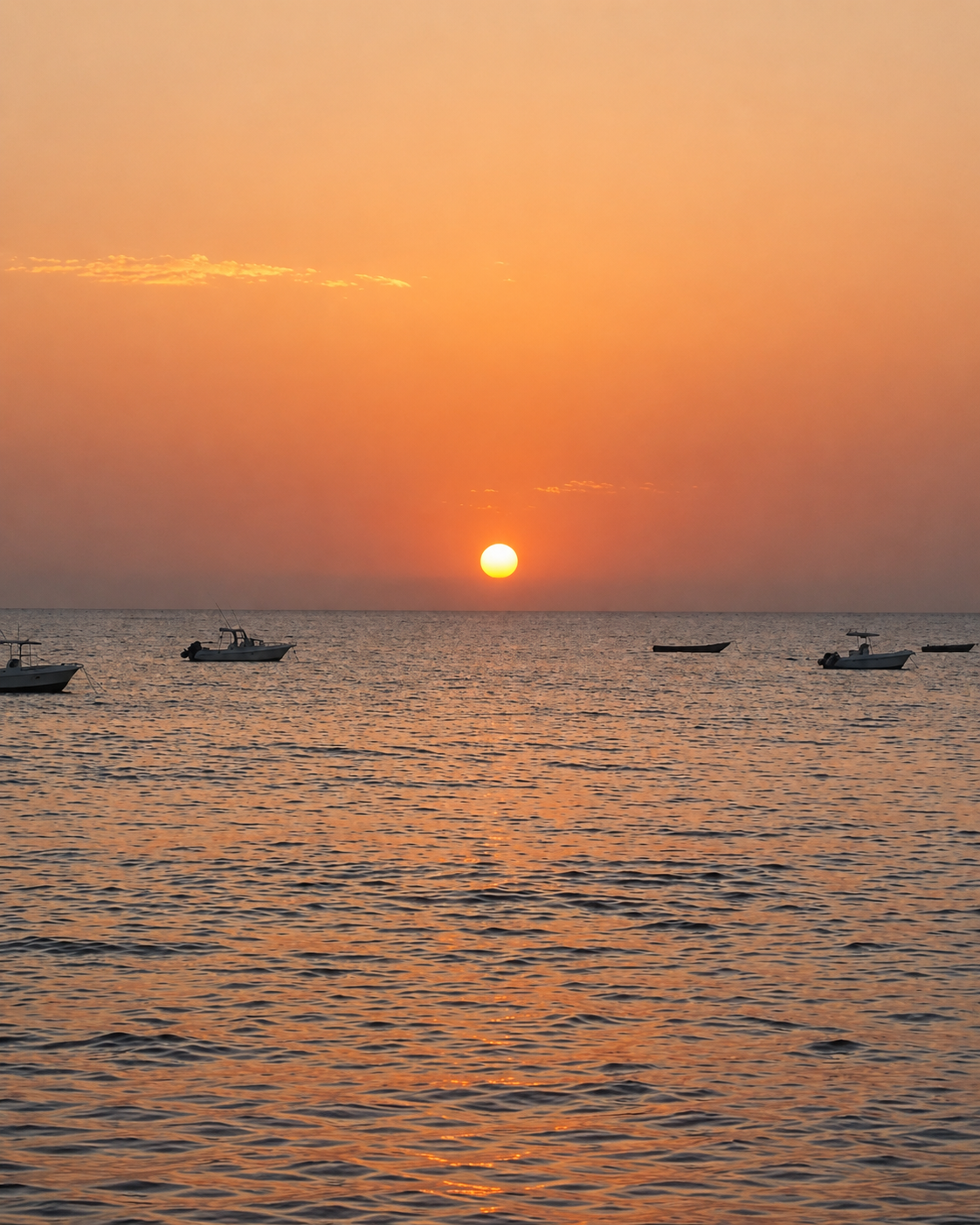
The name came later and stuck immediately. The Blue Baobab is the tree Senegal tells stories about — enormous, ancient, upside-down. Ours is drawn in deep navy, the colour of the Atlantic ninety seconds from the door.
Votre hôte - Your host
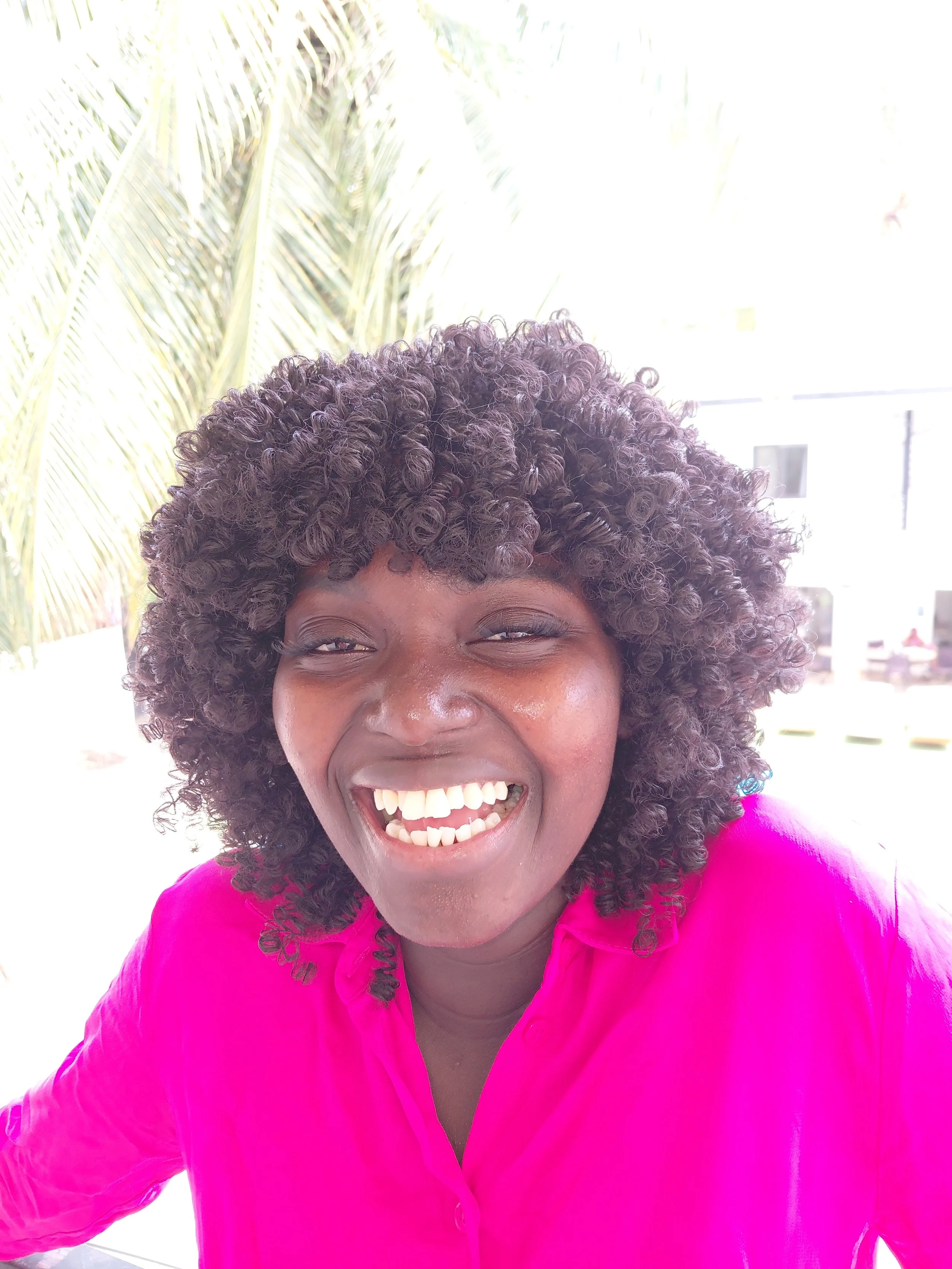
“Passionate about decoration, local craftsmanship and the art of hosting, I created Blue Baobab to offer guests a true haven of peace in Saly.”
Anta - Founder & Host
Téranga - The Idea Underneath
Téranga does not translate cleanly
The dictionary says hospitality. What it means is closer to: you are already family here, and it would be strange to treat you otherwise.
It is the reason a Senegalese household will feed a stranger before it feeds itself, and the reason nobody here finds that remarkable. It is a national self-description, and it is mostly true.
We are not claiming to have invented anything. We are saying that a guesthouse in Senegal should be run the way Senegal already runs — and that this is a higher standard than most hospitality brands set for themselves, not a softer one.